Hokkaido Travel Guide: Sapporo, Otaru, Biei and the Best Onsen Towns from Late Autumn to Winter
Photos in this guide are AI-generated images of fictional POPORO CITY characters, made to illustrate the places; they are not real travel photos. Opening hours, prices and transport details change, so please check official sources before you go.
Hokkaido, Japan's northernmost main island, is where many travelers see real snow for the first time. From mid-November the first snow usually arrives, and by late December the whole island turns white until early March. Distances are bigger than they look on a map, so the best trips pick one or two areas instead of trying to see everything.
Sapporo: the city base
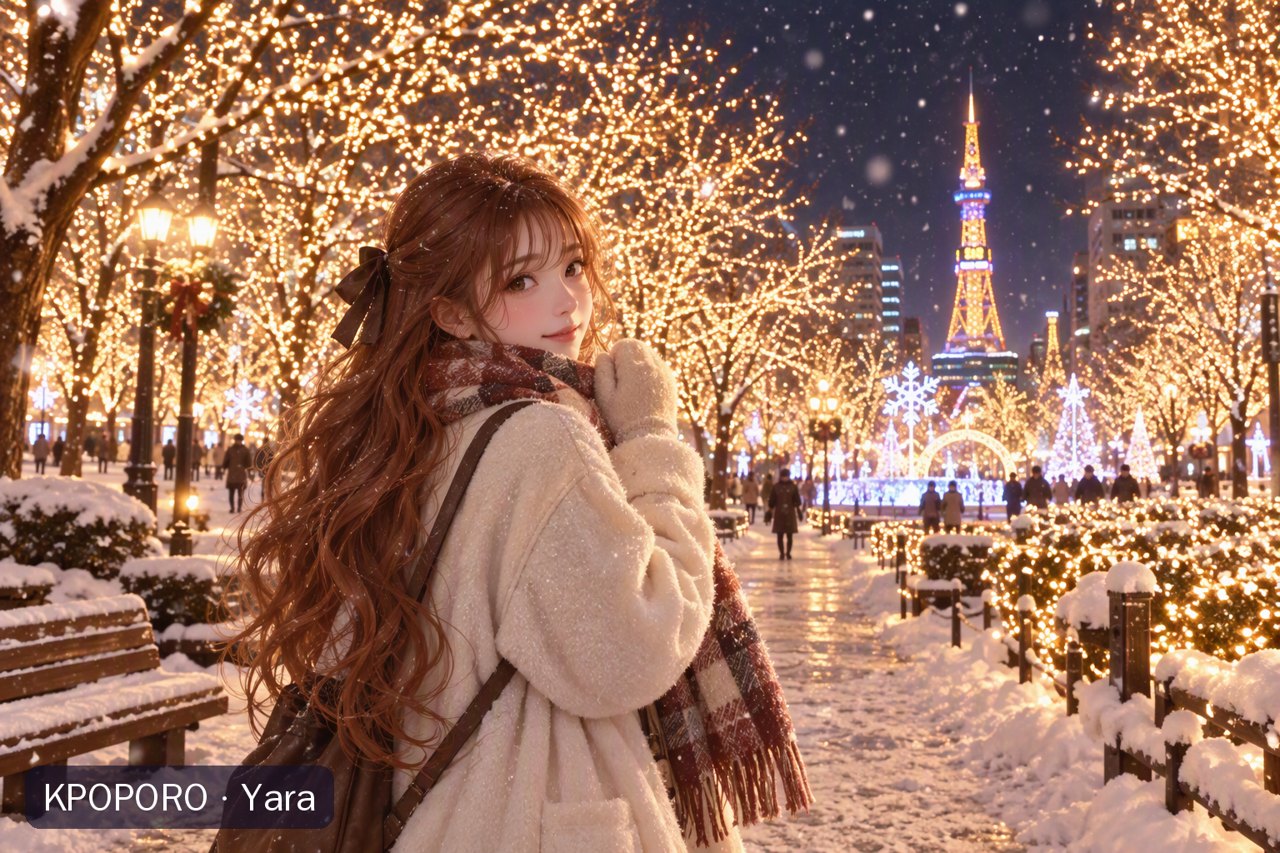
Sapporo is the island's capital and the easiest base. Odori Park runs through the middle of the city; in winter it hosts the Sapporo White Illumination, usually from late November into the new year, and in early February the famous Snow Festival with huge snow sculptures. Around the park you will find the TV Tower, the Tanukikoji shopping arcade and the Susukino nightlife district, where miso ramen and Genghis Khan grilled lamb are local favorites. Sapporo Station connects to the airport (New Chitose) by train in roughly forty minutes.
Otaru: canal town and hilltop view
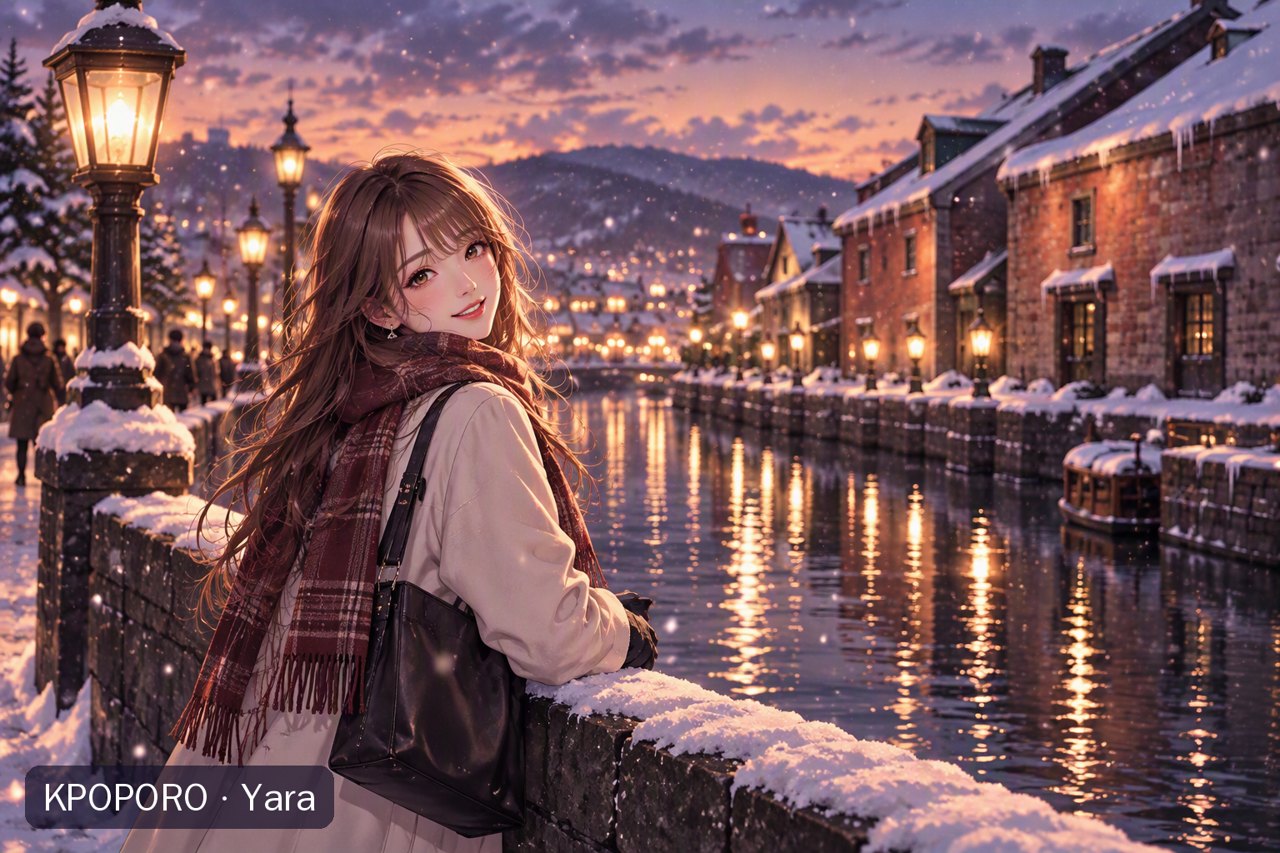
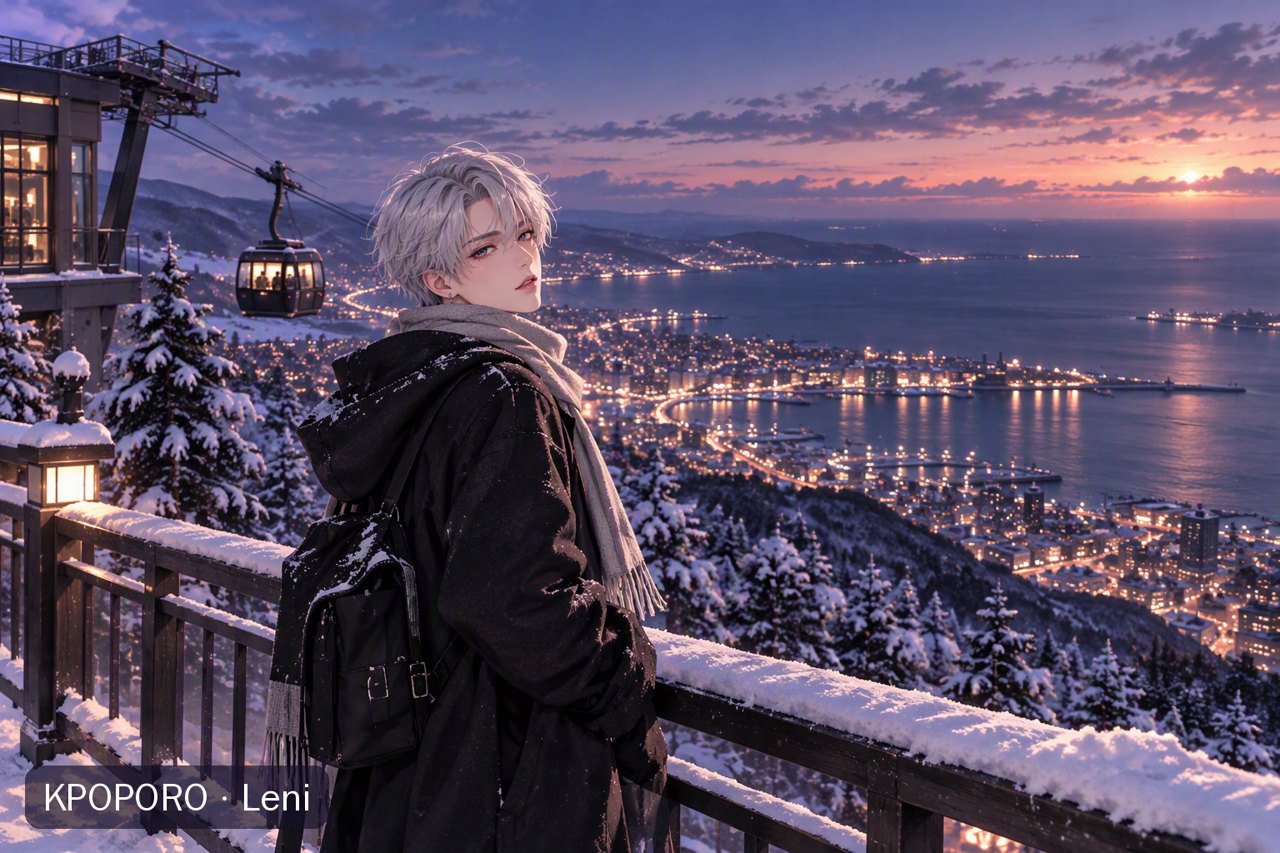
Otaru is a short train ride west of Sapporo along the sea. Its old stone warehouses line a small canal lit by gas lamps at dusk; the area is known for glassworks, music boxes and sushi. For the view, ride the ropeway up Mt. Tengu, where the city and the bay spread below you, especially beautiful after sunset.
Biei and the Blue Pond
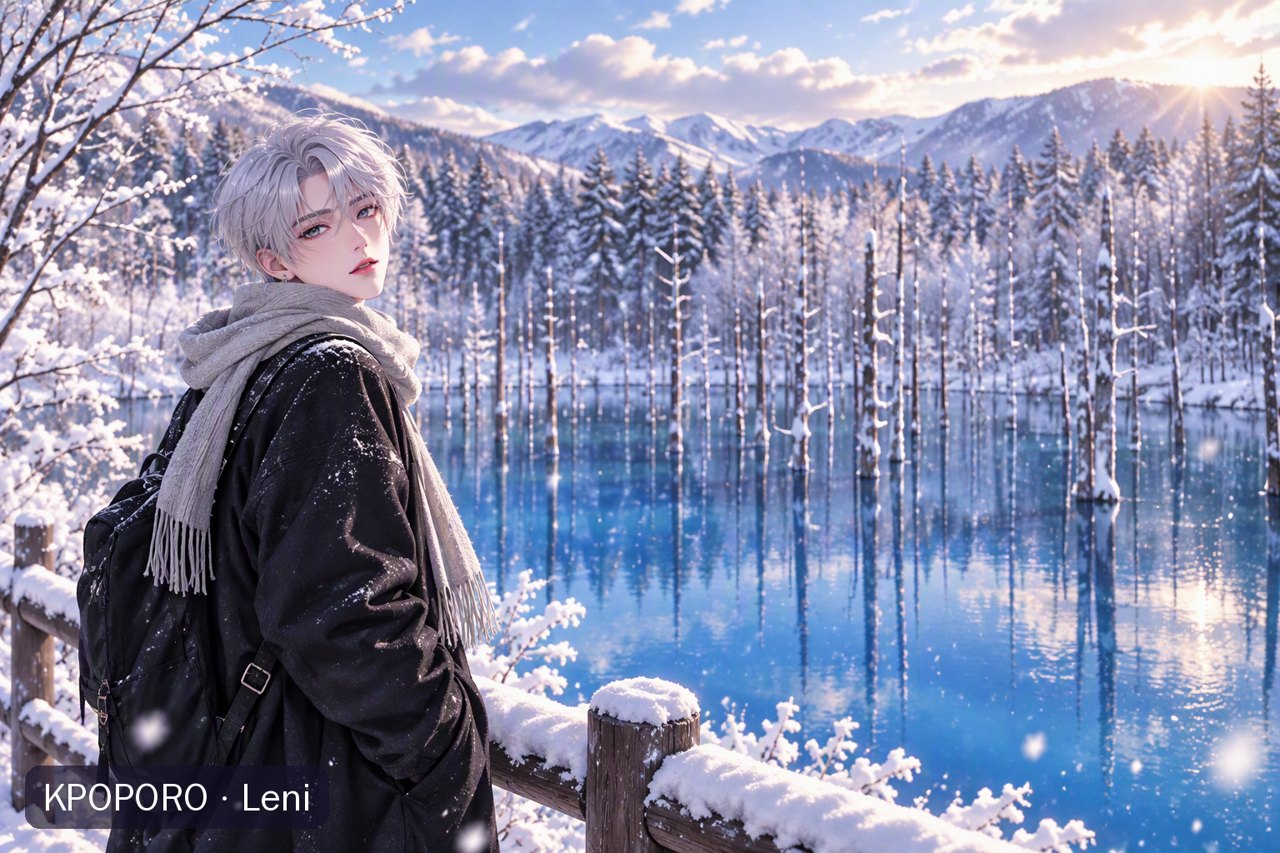
In the center of the island, Biei is famous for rolling hills and the Blue Pond, a small lake whose color comes from minerals in the water. In winter the pond freezes and snow covers it, and the dead trees standing in the water become part of a quiet, almost black-and-white landscape. Nearby Shirahige Falls pours blue water into the Biei River and is lit up on winter evenings. Many package tours combine Biei with Asahikawa; independent travelers usually rent a car or join a day tour, because buses are infrequent.
Hot spring towns
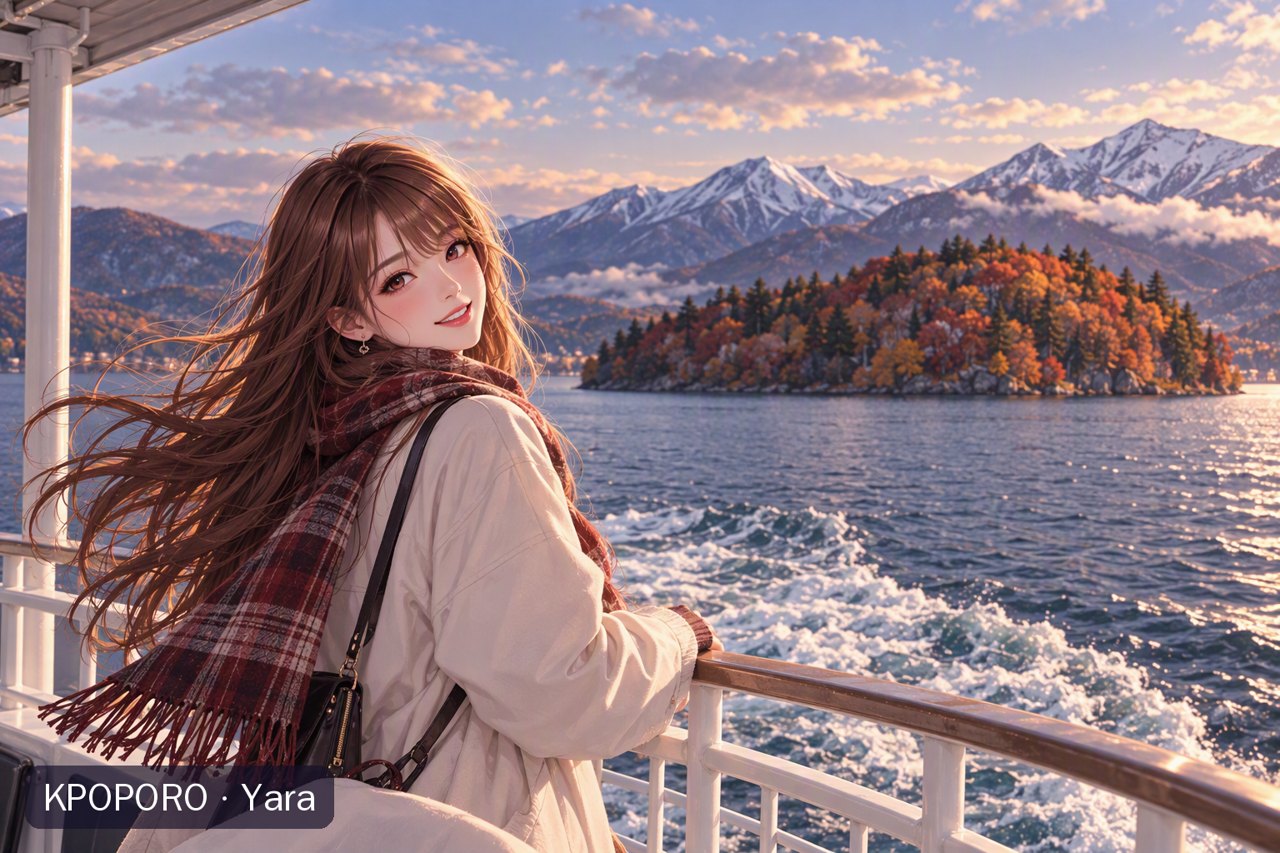
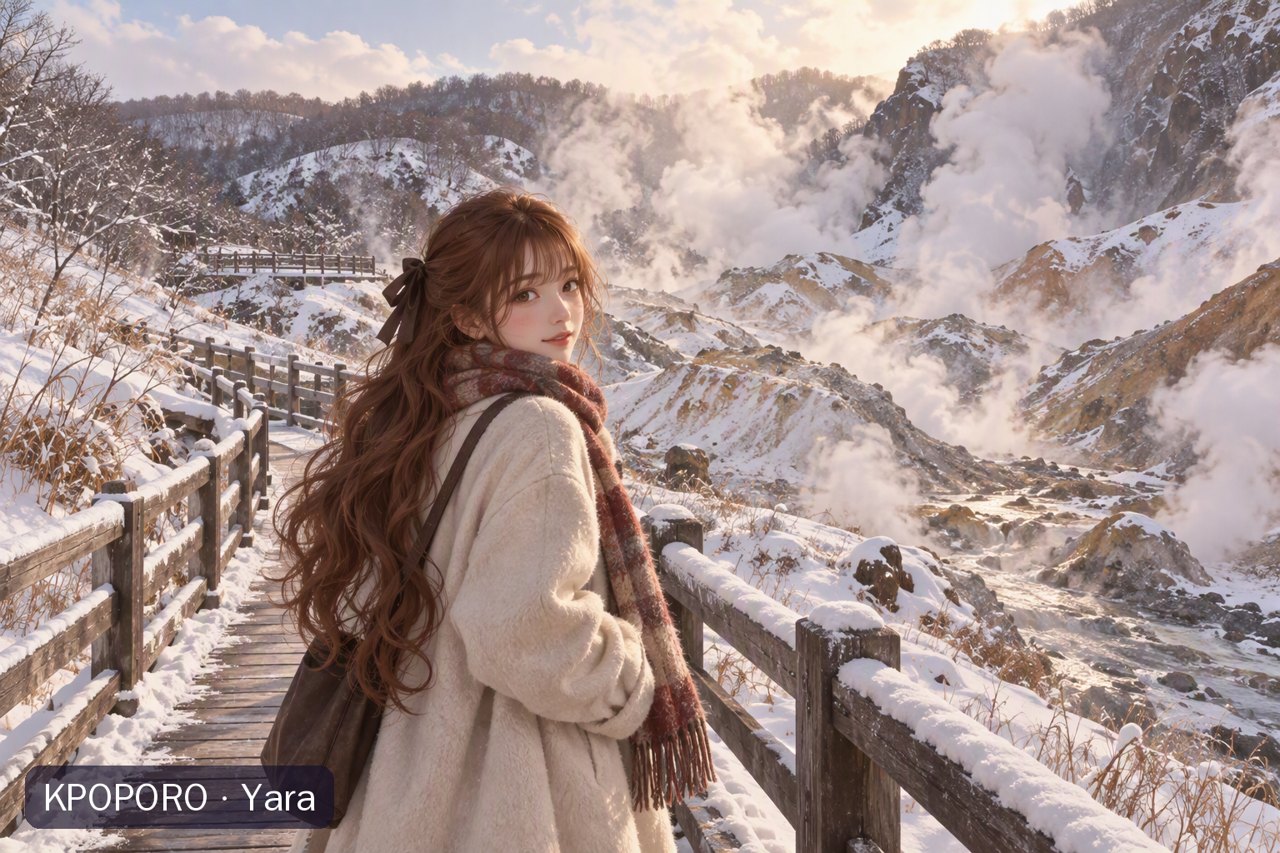
Lake Toya is a round caldera lake with an island in the middle and an active volcano beside it. The lakeside onsen town has long-running fireworks shows on spring-to-autumn evenings and lake cruises. Noboribetsu is one of Japan's best-known hot spring towns; walk the boardwalk through Jigokudani, "Hell Valley", where steam rises from yellow and orange volcanic ground.
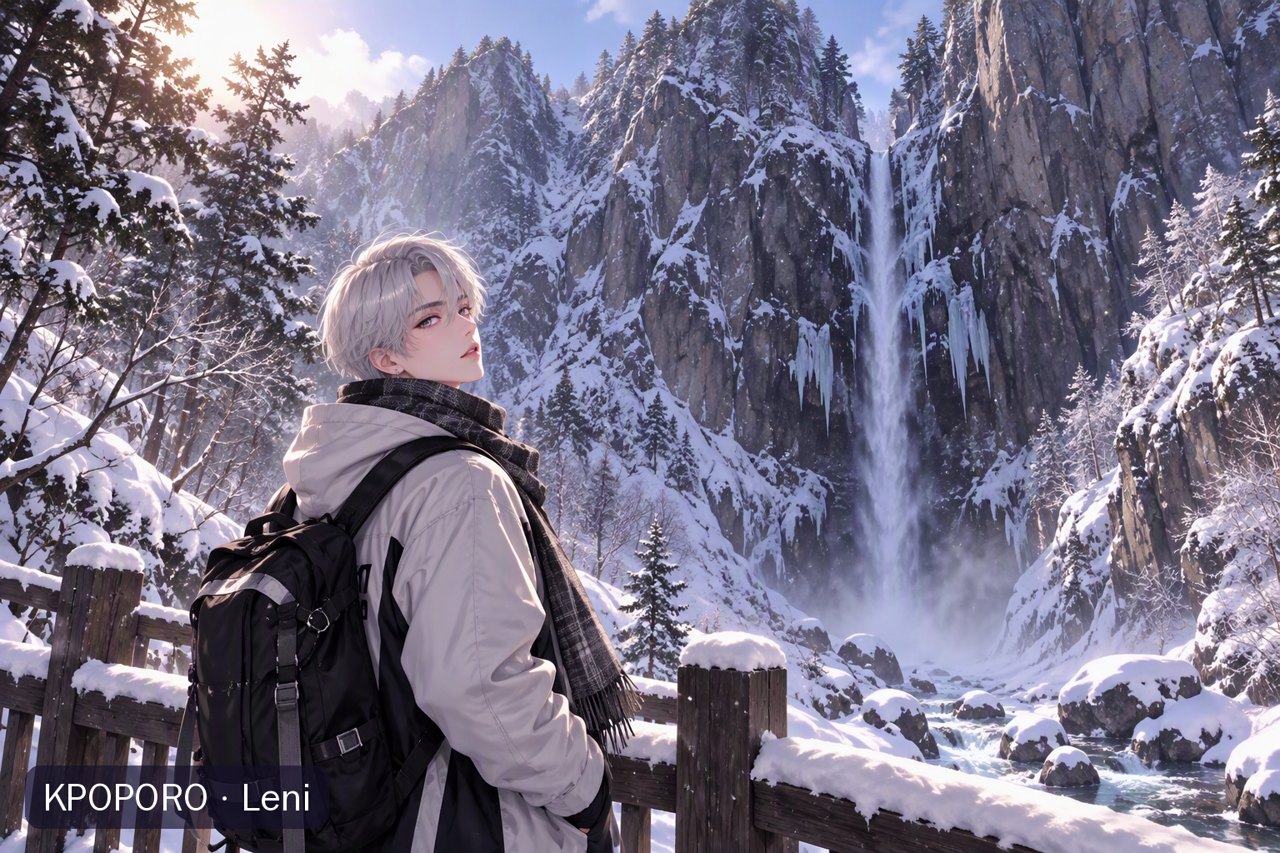
Jozankei is the closest onsen town to Sapporo, about an hour by bus, ideal for a one-night escape. Sounkyo, in Daisetsuzan National Park, has dramatic cliffs and waterfalls such as Ginga (Milky Way) Falls; in winter it holds an ice festival with lit ice sculptures.
When to go
- Mid to late November: first snow, fewer crowds, lower prices; some mountain roads begin to close.
- December to February: full winter, illuminations and festivals; heavy snow can delay flights and trains.
- Early February: Sapporo Snow Festival; book hotels months ahead.
Practical tips
- Pack layers, a warm waterproof jacket and boots with grip; sidewalks get icy. Cheap ice cleats sold in convenience stores help a lot.
- Japan Rail runs a Hokkaido rail pass; compare its price with your planned routes before buying.
- Winter driving needs experience on snow; if you are not used to it, use tours or trains.
- Most onsen ryokan serve a multi-course dinner; check whether it is included and when it starts.
- Tattoo rules at public baths vary; some ryokan offer private baths you can reserve.
Sample 4-day route
- Arrive New Chitose, train to Sapporo, Odori Park lights.
- Day trip to Otaru, Mt. Tengu at sunset.
- Biei Blue Pond and Shirahige Falls (tour), night in Asahikawa or Sounkyo.
- Back via Jozankei or Noboribetsu for a final onsen night.
Nearby places worth adding
- Asahiyama Zoo (Asahikawa): famous for its winter penguin walk, usually held on snowy days in the cold months.
- Furano: lavender fields in July, a ski resort in winter, and a cheese and wine factory year-round.
- Shikotsu Lake: a clear caldera lake near the airport with an ice festival in winter.
- Hakodate: the southern port city with one of Japan's best night views from Mt. Hakodate and a morning seafood market; reachable by train.
Where to stay
For a first trip, base yourself near Sapporo Station or Odori for easy trains and food, then add one or two onsen nights. Lakeside rooms at Toya and riverside rooms at Jozankei are worth booking early in the snow season.
POPORO picks
Our fictional city characters each have a favorite: Rumi, a Japanese-born singer, would choose the quiet of the Blue Pond in snow; Ceto, a photographer, would wait for the blue hour on the Otaru Canal; and Cata, a chef, would plan the whole trip around Sapporo's soup curry and Hakodate's morning market.
More travel planning: POPORO BLOG. Our characters also share Korean-language trip notes on the KPOPORO Naver blog.