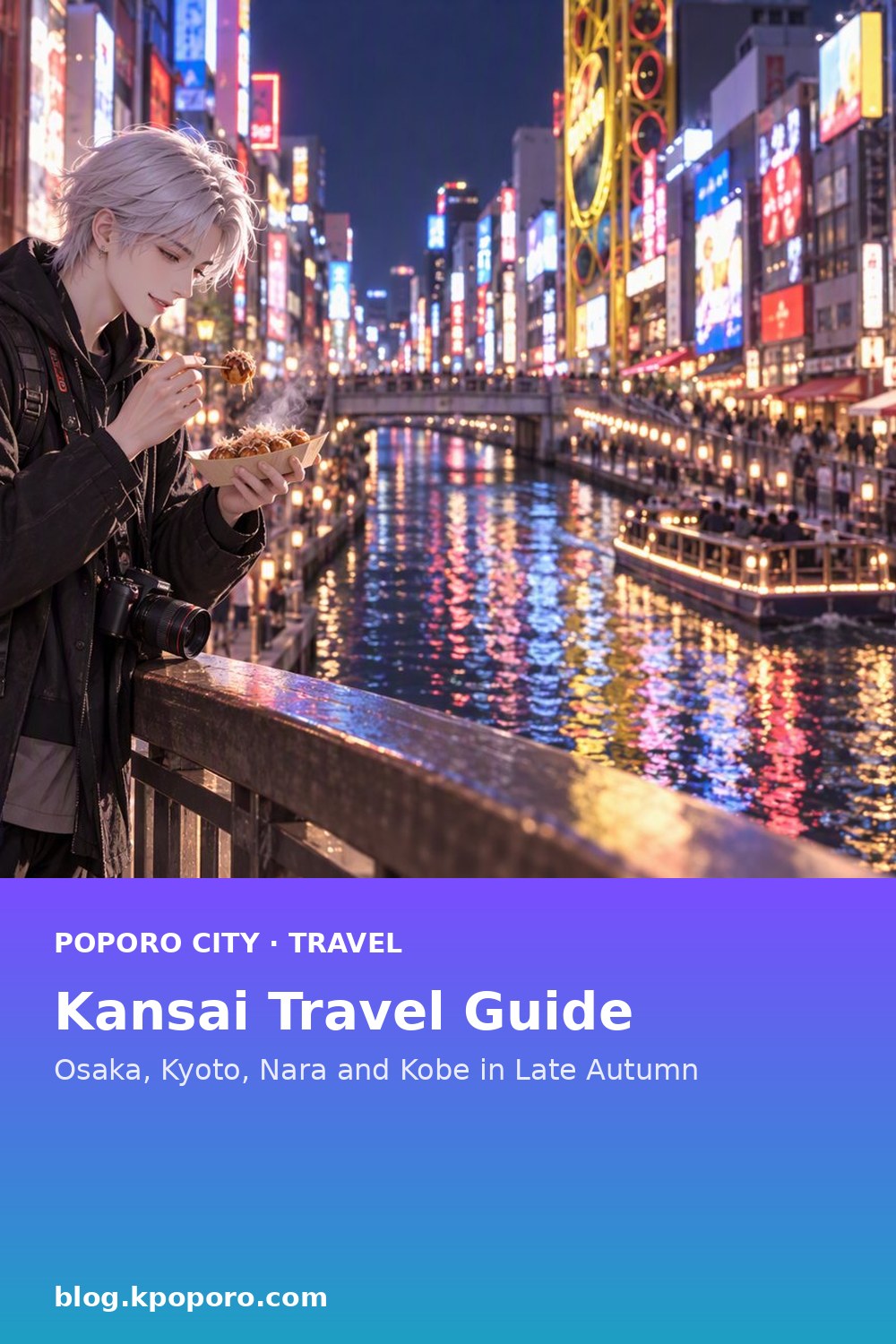
Kansai Travel Guide: Osaka, Kyoto, Nara and Kobe in Late Autumn
Photos in this guide are AI-generated images of fictional POPORO CITY characters, made to illustrate the places; they are not real travel photos. Opening hours, prices and transport details change, so please check official sources before you go.
The Kansai region is the easiest place in Japan to see very different cities in one short trip. Osaka is loud, friendly and food-obsessed; Kyoto is temples, gardens and old streets; Nara has giant Buddha statues and free-roaming deer; Kobe is a stylish port city. All four are connected by fast, frequent trains, so you can stay in one hotel and take day trips.
Osaka: eat your way through the city
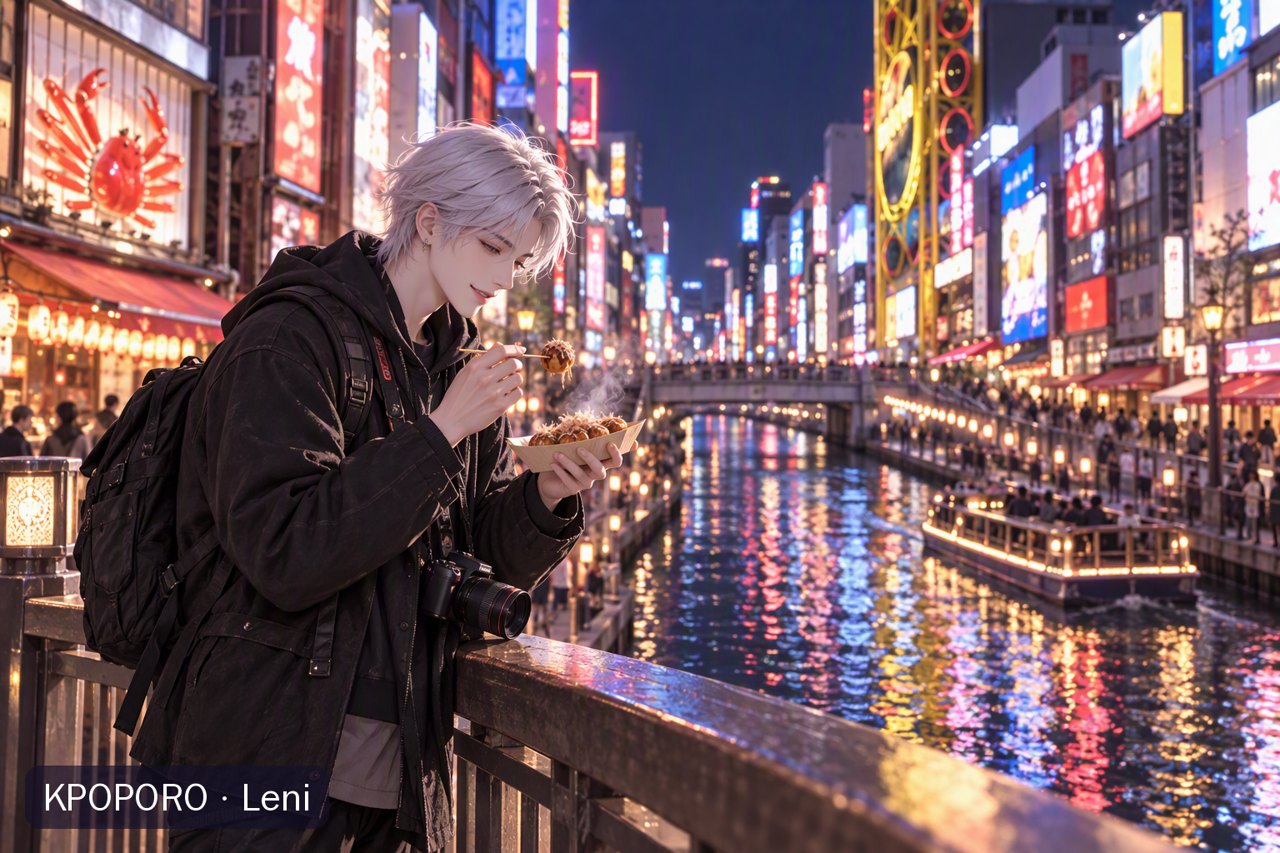
Start in Dotonbori, the canal street of neon signs and giant shop decorations, the home of takoyaki and okonomiyaki. Nearby Shinsaibashi is a long covered shopping arcade. Osaka Castle, the Umeda Sky Building observatory and Universal Studios Japan are the other big draws. Osaka is the cheapest and most convenient base for the region, with Kansai Airport about an hour away.
Kyoto: old streets and the west side
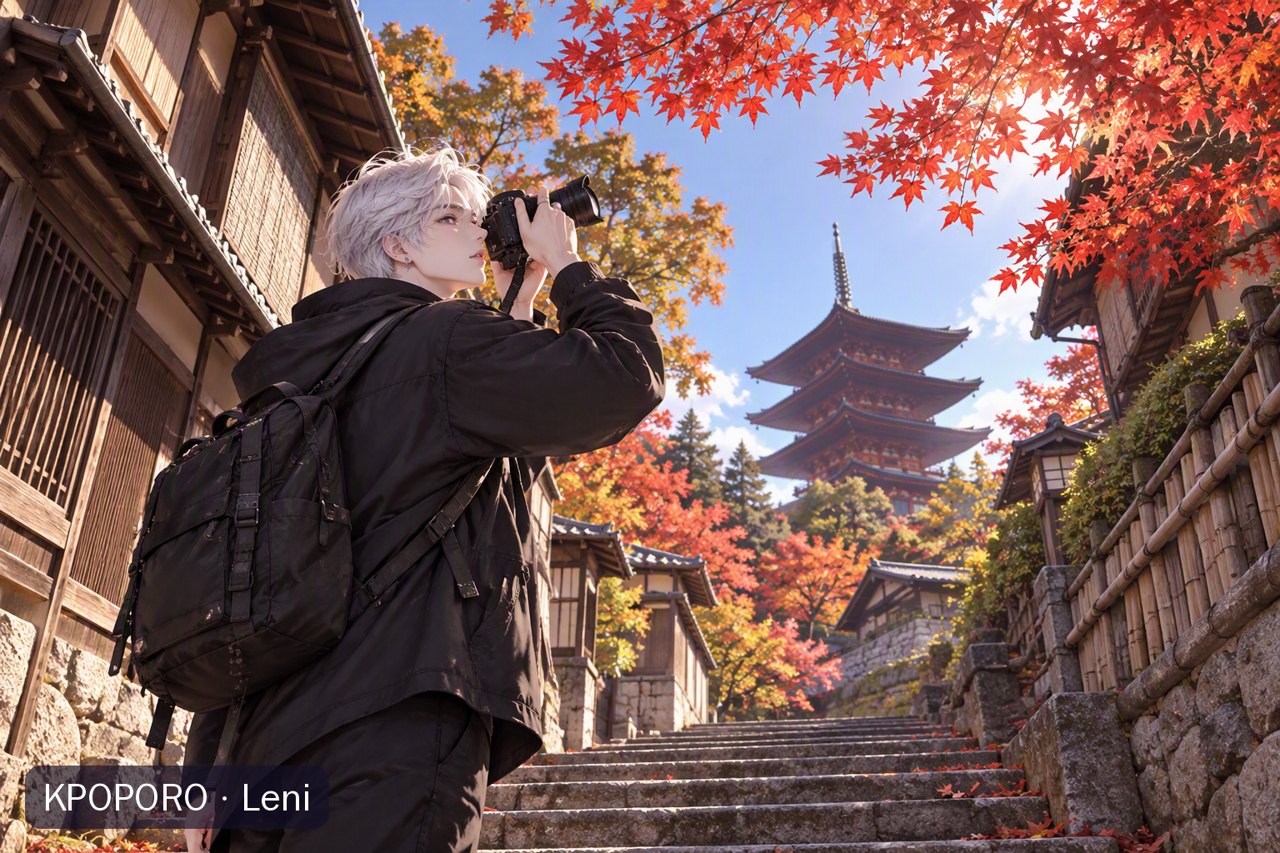
In eastern Kyoto, the stone-paved slopes of Ninenzaka and Sannenzaka lead up to Kiyomizu-dera temple, lined with wooden shops selling sweets and pottery. Go early in the morning to avoid crowds. In the west, Arashiyama is known for its bamboo grove, the Togetsukyo Bridge and the Kimono Forest at Randen Arashiyama Station: hundreds of illuminated pillars wrapped in kimono fabric, lovely after dark.
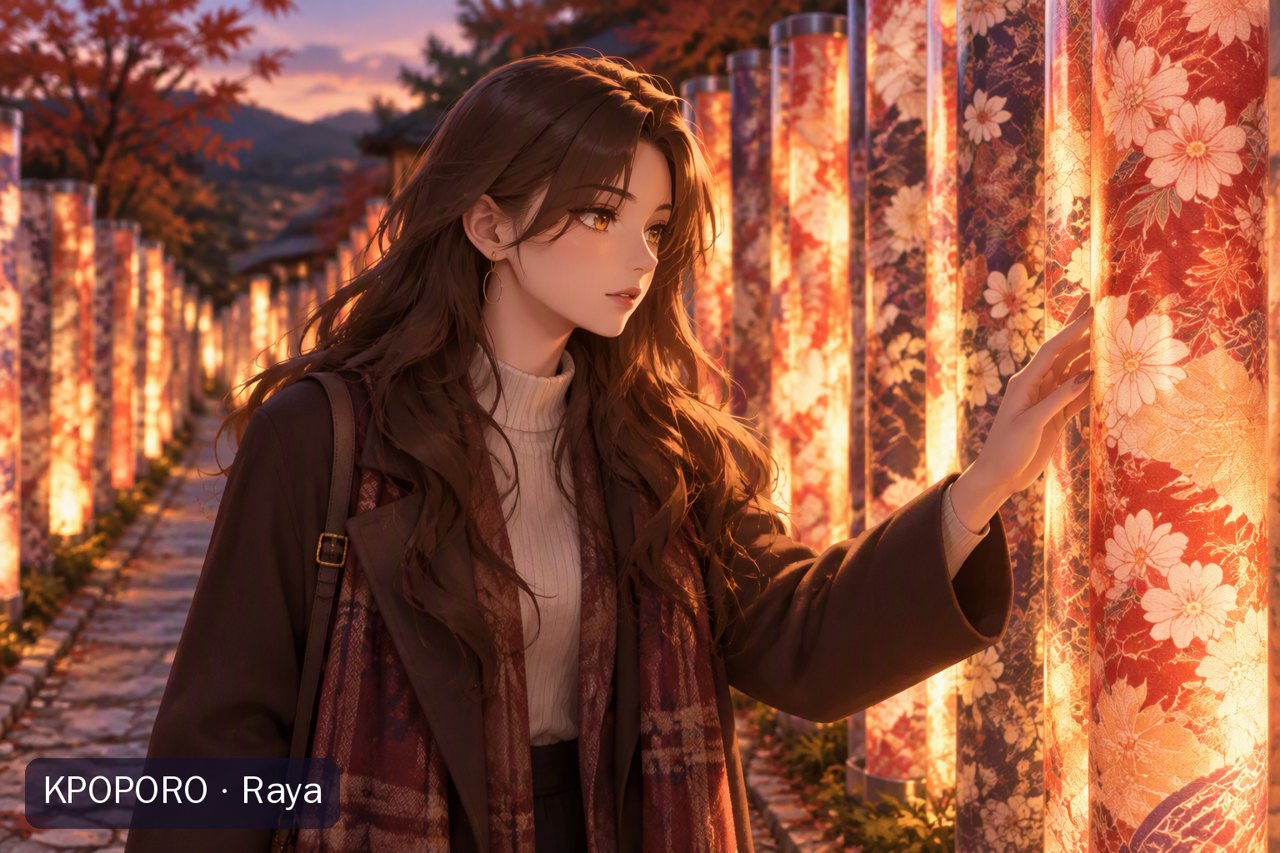
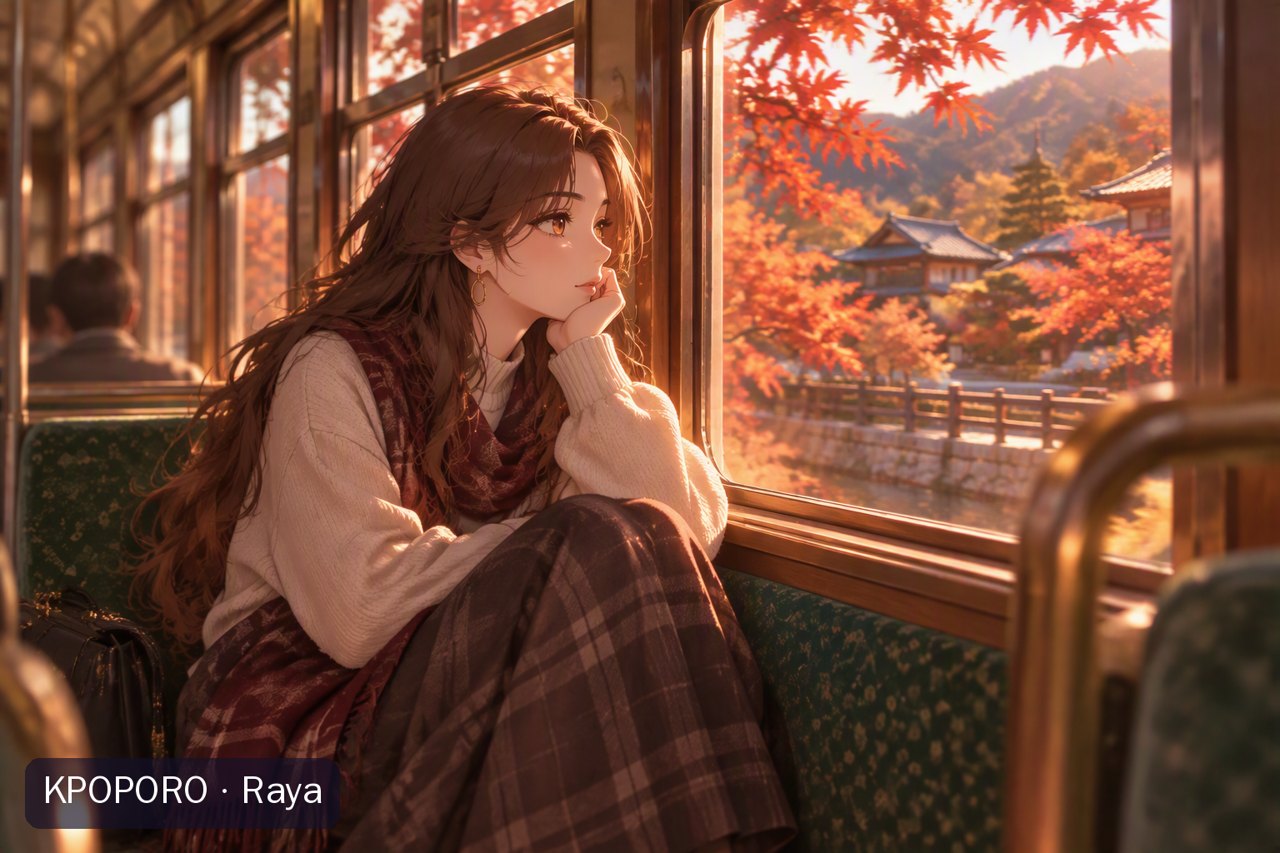
The Randen (Keifuku) line is a small, retro streetcar that runs through residential streets to Arashiyama, a charming alternative to the main train lines.
Nara: deer and the Great Buddha
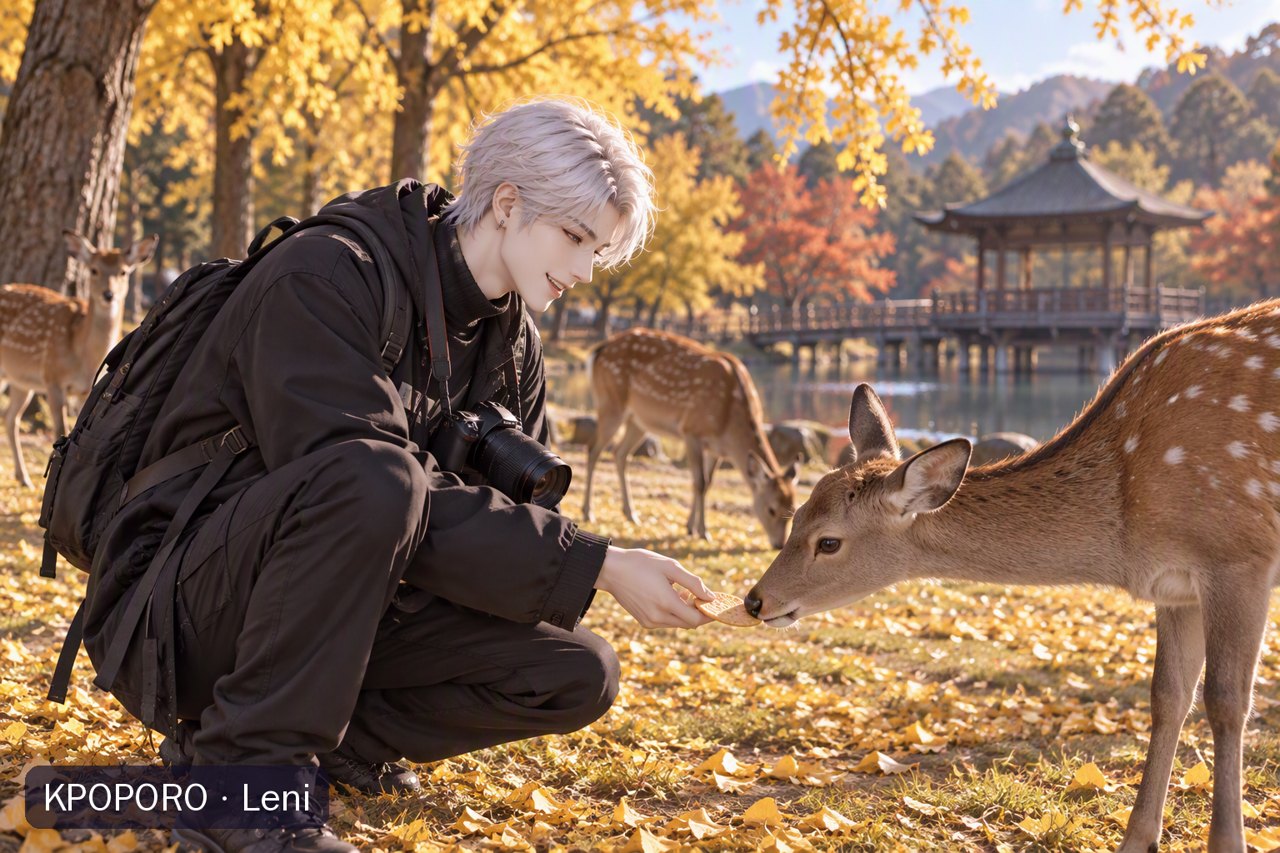
Nara is under an hour from Osaka or Kyoto. Nara Park is home to over a thousand deer considered sacred messengers; you can buy special crackers to feed them, but keep paper maps and snacks out of reach. Todai-ji temple houses one of the largest bronze Buddha statues in the world inside a huge wooden hall.
Kobe: harbor evenings
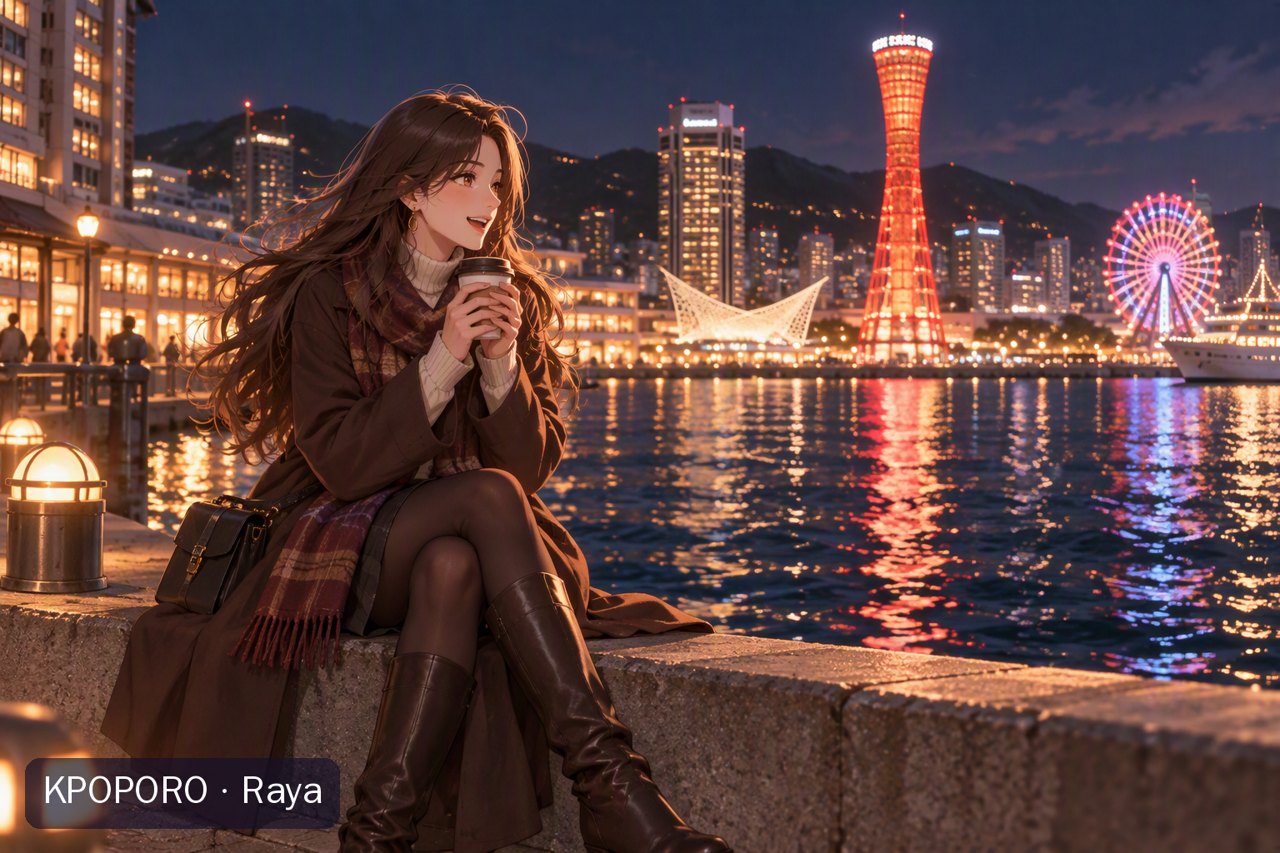
Kobe Harborland and Meriken Park face the sea, with the red Port Tower and a Ferris wheel, best at sunset. The view from Mt. Rokko or Mt. Maya at night is one of Japan's famous night views. Kobe beef restaurants range from casual teppanyaki lunches to high-end dinners.
Late autumn timing
Autumn leaves in Kyoto usually peak from mid to late November, later than in Hokkaido. Popular temples have evening light-ups, but they are crowded; book hotels early and visit the most famous spots right at opening.
Practical tips
- An IC card (ICOCA) works on trains, subways and buses across Kansai.
- Regional passes can save money if you travel every day; compare with single fares.
- Kyoto buses get crowded; combine trains and walking.
- Many temples close around 5 pm; check light-up schedules for evening visits.
Sample 4-day route
- Osaka: castle, Dotonbori at night.
- Kyoto east: Kiyomizu-dera, Ninenzaka, Gion.
- Kyoto west: Arashiyama by Randen, Kimono Forest at dusk.
- Nara in the morning, Kobe harbor in the evening.
Nearby places worth adding
- Fushimi Inari Taisha (Kyoto): thousands of vermilion torii gates winding up a mountain; open around the clock, quietest at dawn.
- Uji: the home of matcha, with Byodo-in temple and riverside tea houses, between Kyoto and Nara.
- Himeji Castle: Japan's best-preserved original castle, a short shinkansen hop west of Kobe.
- Arima Onsen: one of Japan's oldest hot spring towns, behind Mt. Rokko from Kobe.
- Kuromon Market (Osaka): street food and seafood stalls, best before lunch.
Where to stay
Namba or Umeda in Osaka for value and nightlife; a night or two in Kyoto near Shijo or Kyoto Station if you want early temple visits before the crowds arrive.
POPORO picks
Joss, a cafe owner from Italy, would spend a whole afternoon tasting matcha in Uji; Sora, a singer from Korea, would choose the Kimono Forest lights after dark; and Cari, a librarian, would plan her route around quiet temple gardens in the early morning.
More travel planning: POPORO BLOG. Our characters also share Korean-language trip notes on the KPOPORO Naver blog.