Day Trips from Sapporo: Otaru Canal, the Blue Pond in Biei and Hakodate Morning Market
Photos in this guide are AI-generated images of fictional POPORO CITY characters, made to illustrate the places; they are not real travel photos. Opening hours, prices and transport details change, so please check official sources before you go.
Sapporo is the natural base for a Hokkaido trip: the airport train arrives there, hotels are plentiful and the food scene alone could fill a week. But some of the island's most memorable scenes sit a train ride away. This guide adds three side trips to our Hokkaido travel guide: a short hop to Otaru, a full day inland to Biei's Blue Pond, and an overnight run south to Hakodate for its morning market.
1. Otaru Canal at blue hour
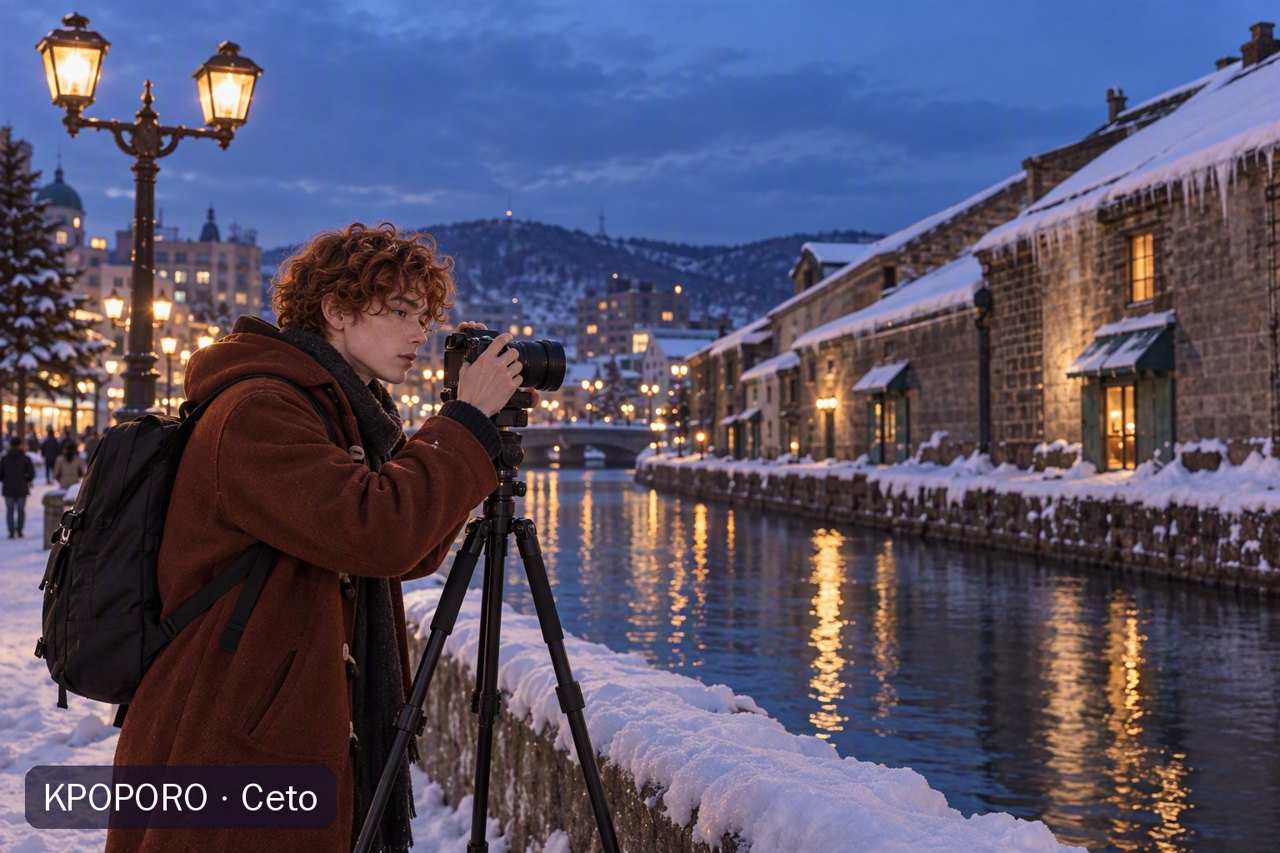
What it is: Otaru was a busy trading port in the early twentieth century, and the stone warehouses along its canal survive from that time. Today the canal path is lined with gas lamps, and the old buildings hold cafes, glass studios and music-box shops. It is the easiest day trip from Sapporo and one of the most photogenic, especially in the short blue hour after sunset, when the lamps come on and snow sits on the warehouse roofs.
Getting there: JR rapid and local trains run from Sapporo Station to Otaru in roughly 35 to 50 minutes; the line follows the coast, so sit on the right side going out for sea views. From Otaru Station the canal is about a ten-minute walk downhill.
Best time: late afternoon into evening. In February the Otaru Snow Light Path festival places candles and small snow lanterns along the canal and old rail line; check the city's tourism site for the year's dates.
Tips: the slope from the station is icy in winter, so wear boots with grip. Sakaimachi Street, parallel to the canal, is where the glass and music-box shops cluster. If you have time before dark, the ropeway up Mt. Tengu gives a wide view of the town and bay.
2. The Blue Pond near Biei
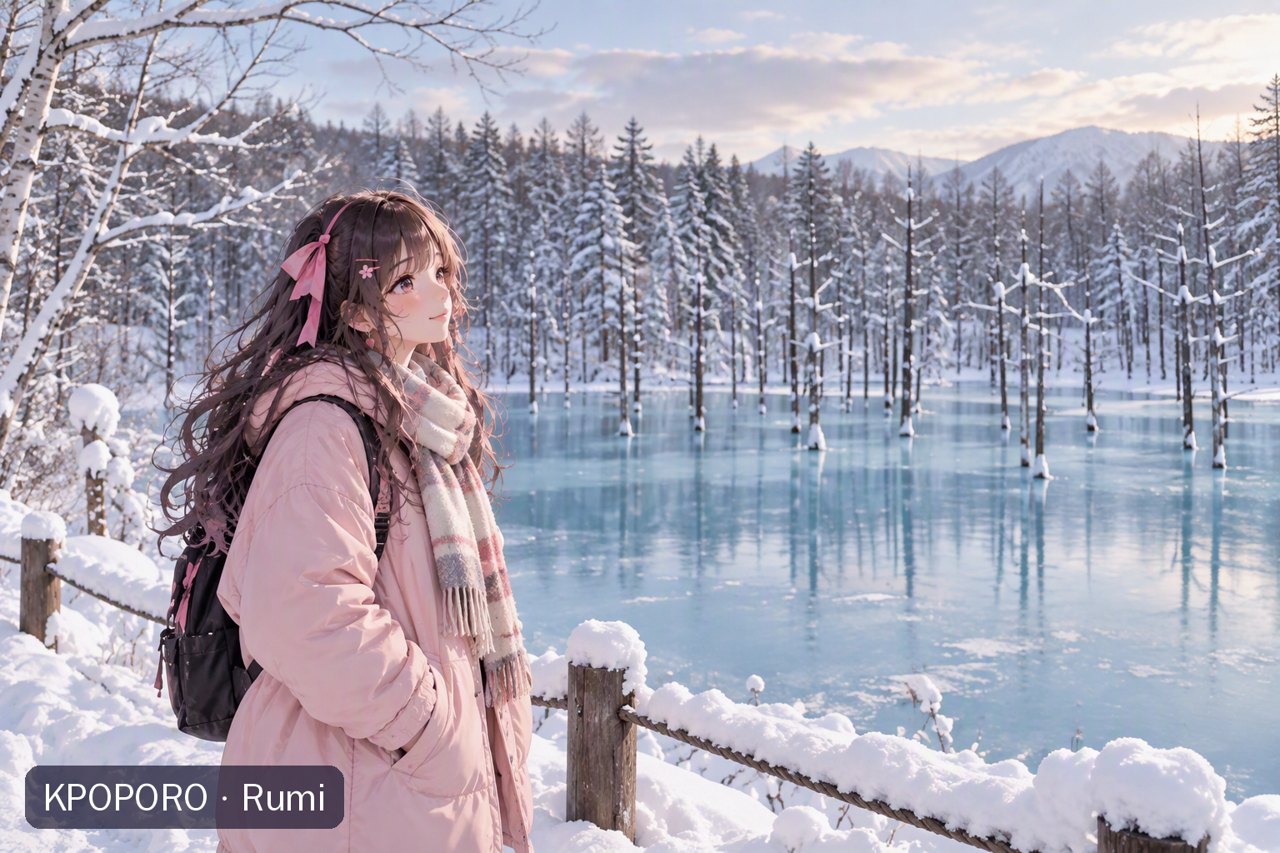
What it is: the Blue Pond (Aoi-ike) is a small man-made pond in the forest near Shirogane Onsen, created as part of erosion control work after an eruption of nearby Mt. Tokachi. Minerals in the water give it a milky blue color in the green season, and the dead larch trunks standing in the water make it look unreal. In winter the surface freezes and snow covers it, turning the scene into a quiet black-and-white picture; on some winter evenings the pond is lit up, so check current information.
Getting there: this is a full day. Take a limited express from Sapporo to Asahikawa (around an hour and a half), then a local JR Furano Line train to Biei (about 35 minutes). Buses run from Biei Station toward Shirogane Onsen with a stop at the pond in about 20 minutes, but they are infrequent, so match your train times to the bus timetable. Many visitors simply join a one-day bus tour from Sapporo, which is the stress-free choice in snow.
Best time: midday light shows the color best in green season; in winter go early because daylight ends around four in the afternoon. Shirahige Falls, a few minutes further by bus, pours blue water into the river below and is worth combining.
Tips: the walking path is short but slippery when packed with snow. Self-driving in winter is only for people used to snow roads. Asahikawa, on the way back, is famous for its soy-sauce ramen, a good warm dinner before the train.
3. Hakodate Morning Market

What it is: Hakodate is a historic port city at the southern tip of Hokkaido, and its morning market, right next to JR Hakodate Station, is a maze of stalls selling crab, scallops, salmon roe, sea urchin and squid. Small restaurants inside serve kaisendon, rice bowls topped with whatever the boats brought in, and some stalls let you try catching a live squid that is then sliced and served on the spot.
Getting there: it is too far for a casual day trip: the limited express from Sapporo takes roughly three and a half to four hours. Plan at least one night in Hakodate, which also lets you ride the ropeway up Mt. Hakodate for the famous night view of the city squeezed between two bays.
Best time: early morning. Many stalls open around dawn and the restaurants are busiest from breakfast to late morning; some shops close by early afternoon. Hours vary by shop and season, so check before you go.
Tips: prices are written per bowl or per weight; for crab, confirm the price and whether it is boiled or live before ordering. Rice-bowl menus often let you choose three or more toppings. After breakfast, the brick warehouses of the Bay Area and the Western-style buildings of the Motomachi slopes are a short walk or tram ride away.
Putting it together
- Short stay (4 days): Sapporo city, Otaru as an afternoon-to-evening trip, and one day for the Blue Pond by tour.
- Longer stay (6 to 7 days): add a night in Hakodate on the way in or out; flights also connect Hakodate with Seoul and Tokyo, so you can arrive in Sapporo and leave from Hakodate.
- Rail passes: JR Hokkaido sells regional passes; compare the price with the individual tickets for your actual route before buying.
- Weather: winter storms can delay trains and close roads; leave a buffer day before an international flight.
Our POPORO CITY characters show the mood of each place: Ceto, a fictional photographer, waits by the canal for the lamps to come on; Rumi stands quietly at the frozen pond; and Cata, a chef character, goes straight to the market counter. For the bigger picture of the island, from onsen towns to festivals, go back to the main Hokkaido guide.
More travel planning: POPORO BLOG. Our characters also share Korean-language trip notes on the KPOPORO Naver blog.